






Snacking: A Midwife's Guide to Every Stage of Your Pregnancy
I'm Aliza, registered midwife, mum of two and owner of Franjos Kitchen. Here is a guide to each trimester with some snacking and drinking advice, from a midwife who has seen thousands of pregnancies up close and lived two of her own.
The first trimester: when nausea crashes the party
Let us start with the stage nobody romanticises. According to NSW Health, around 7 in 10 pregnant women experience nausea and vomiting in pregnancy, so if you are currently gagging at the smell of your own fridge, you are in enormous company. And can we retire the name morning sickness while we are here? Australian health guidelines have moved away from the term entirely, because any midwife (and mum) will tell you it is more of an all day, whenever it feels like it situation.
Here is what I want you to know. In the first trimester, perfect nutrition is not the goal if you are unwell. If beige carbs are all you can face for a few weeks, eat the beige carbs. Small, frequent snacks keep your blood sugar steady, and an empty stomach makes nausea worse, so never let yourself get truly hungry. Australian clinical guidelines recommend eating plain biscuits before getting out of bed in the morning - get that blood sugar up before we even start the day.
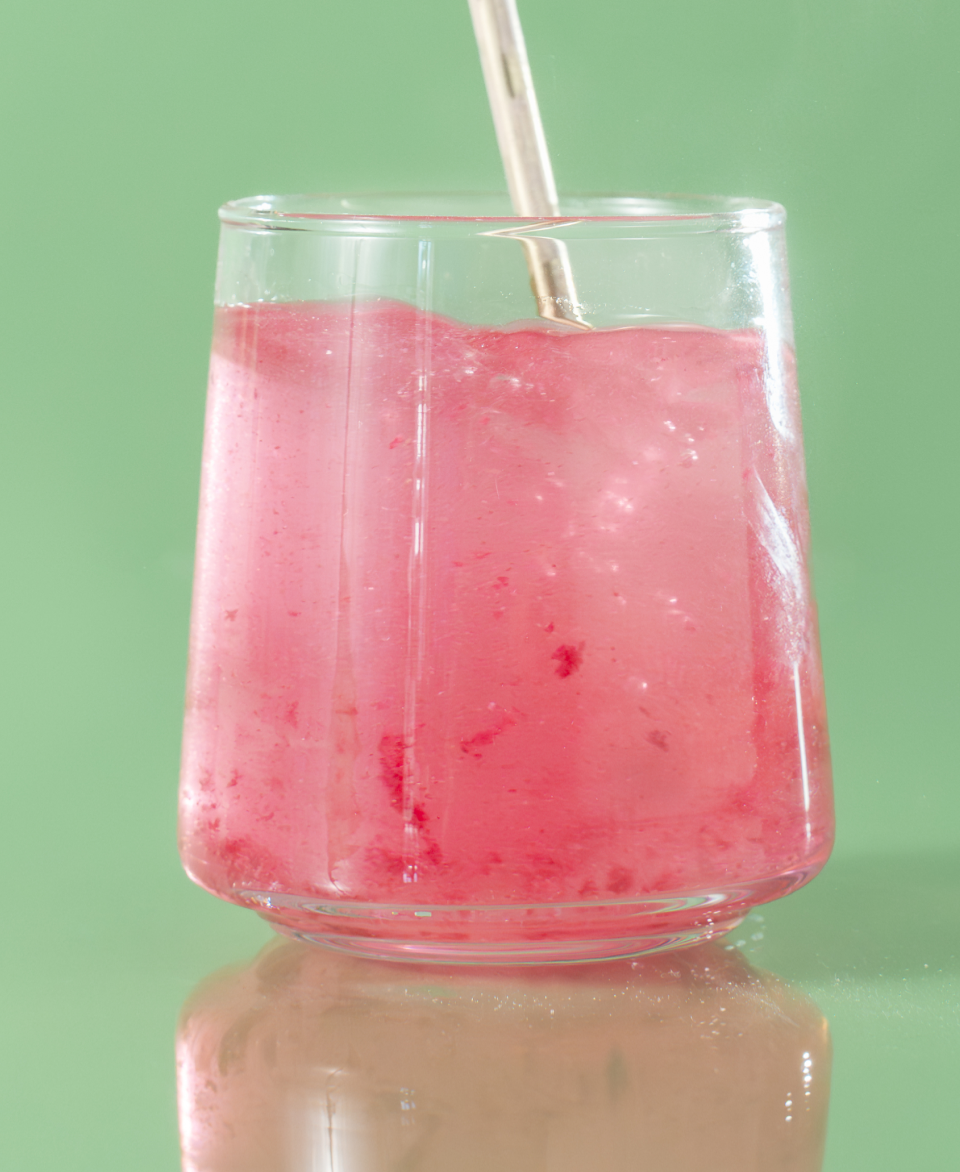
The bigger concern in this stage is fluids. When you are queasy, water is often the first thing to turn your stomach, and dehydration then makes the nausea worse, which is a truly horrid cycle. Australian hospital guidelines recommend drinking small amounts regularly and note that cold drinks are often better tolerated than room temperature ones. Ginger has been used for generations to settle a queasy tummy and is one of the most researched natural options for pregnancy nausea. That is exactly why we included organic ginger in our Motherhood Hydration Powder, where it quietly does its thing without you tasting it. A cold glass supports hydration when plain water is on your no list, and it comes in Mixed Berry and Blood Orange, because first trimester taste buds are nothing if not opinionated. Sip it icy cold through a straw.
One important midwife note. If you cannot keep fluids down, please see your GP or midwife promptly. Around 1 in 100 pregnant women experience hyperemesis gravidarum, a severe form of pregnancy nausea and vomiting, and it is a medical matter, not something to push through quietly. You may needs fluids via an IV in a hospital setting.
The second trimester: cravings, energy and growing a human on a schedule
Somewhere around the second trimester, most women get a reprieve. The nausea eases, the energy creeps back and food becomes interesting again. This is the window where nutrition can actually do some heavy lifting.
Your baby is now building bones, blood and brain at a wild rate, which means your iron, protein, calcium and omega 3 needs all rise. The Australian Dietary Guidelines recommend pregnant women eat from all five food groups daily, with particular attention to lean meats, eggs, legumes, dairy, wholegrains and plenty of vegetables. Interestingly, Australian research shows most pregnant women fall well short of these recommendations, with only 2 percent meeting the recommended servings of protein rich foods, so if you are struggling to tick every box, you are far from alone. This is exactly where smart snacking earns its place.
Because pregnancy hunger arrives loudly and without warning, keep something in your handbag, your car and your desk drawer. A handful of nuts and dried fruit, cheese and crackers, boiled eggs done ahead of time, or a smoothie you can drink one handed.
The Australian Nutrient Reference Values set the adequate fluid intake for pregnant women at around 2.3 litres per day, higher than the 2.1 litres recommended for other adult women, and that number climbs in summer and with those lovely pregnancy leg cramps that arrive at 2am like clockwork. I always find having a full water bottle and bringing it everywhere is the best hack, especially filling it with Mixed Berry so you know every sip is delicious and loaded with vitamin c, antioxidants, prebiotics and electrolytes.
The third trimester: raspberry leaf tea and the final weeks
The third trimester. You are magnificent, you are exhausted, and you have started grunting when you get off the couch. This is the stage where mums start asking me about raspberry leaf tea and we begin thinking about labour and birth. Raspberry leaf has been traditionally used by women in the later weeks of pregnancy for generations.
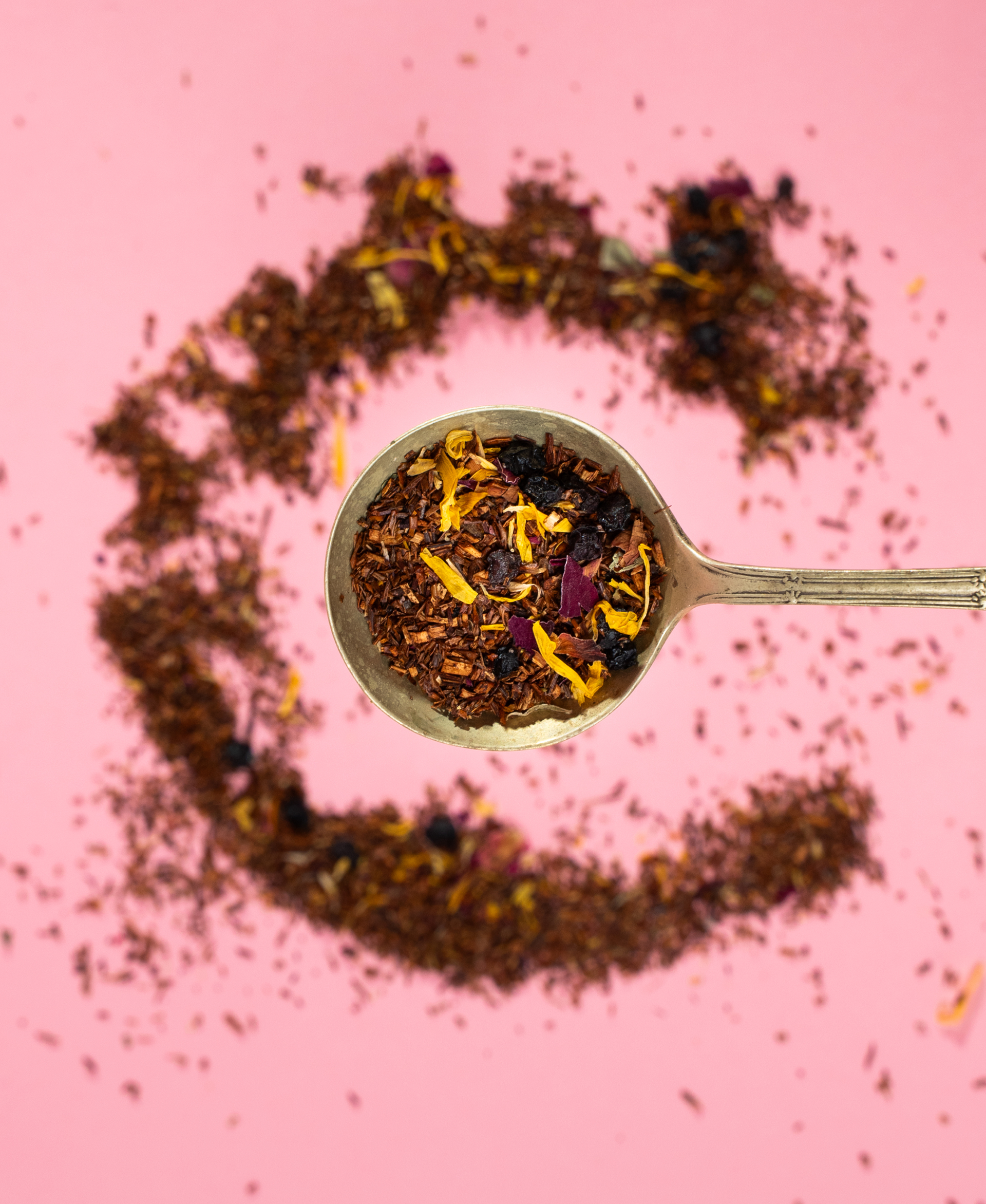
Our Raspberry Leaf Mama Tea is a naturopath and midwife formulated blend made with 100% organic raspberry leaf for the full potent benefit. Traditionally used to help tone and strengthen the uterus, this earthy, gentle tea is your third trimester ritual in a cup. Caffeine free, pregnancy safe and beautifully grounding, sip from 32 weeks and into postpartum recovery to support your body through the powerful transitions ahead.
One midwife note: raspberry leaf tea is best commenced only from 32 weeks gestation, and as with anything in pregnancy, chat with your midwife or doctor if you are unsure.
Getting ahead of your feeding journey
Here is the piece of third trimester advice most mums never hear, and it is my favourite. If you are planning to breastfeed, your feeding journey can start before your baby arrives with antenatal expressing.
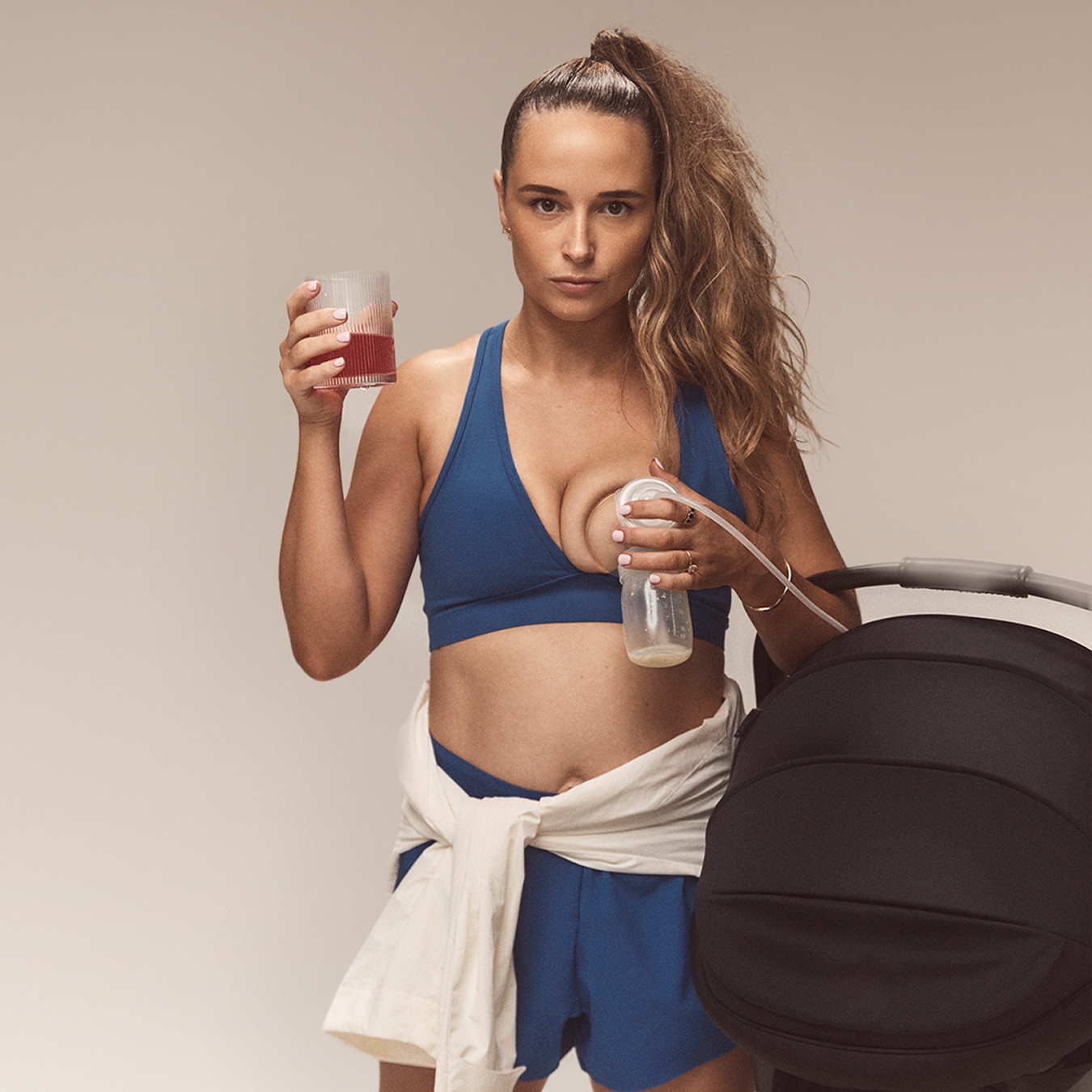
Antenatal expressing is the gentle hand expression and collection of colostrum, your first milk, from around 36 weeks of pregnancy. Your breasts actually begin making colostrum from around 16 weeks, and by the final month many mums can collect small amounts to freeze and bring to hospital. Colostrum is liquid gold for a reason. It is packed with antibodies that colonise your baby's gut, it stabilises baby's blood sugar, and it is easily digested, helping bub pass their first bowel movement.
The research behind it is genuinely impressive. The landmark Australian DAME trial found that first time mothers who expressed colostrum from 36 weeks had babies who were more likely to be exclusively breastfed in their first 24 hours of life. Having expressed colostrum on hand can also decrease the chance of your baby needing unplanned formula after birth. And even if you only collect a few drops, you are learning the invaluable skill of hand expression, something your postpartum self will thank you for.
Antenatal expressing is not right for every pregnancy, so always chat with your midwife or doctor before starting. Most Australian maternity hospitals now provide expressing kits and guidance from 36 weeks, so it is a lovely conversation to have at your next appointment.
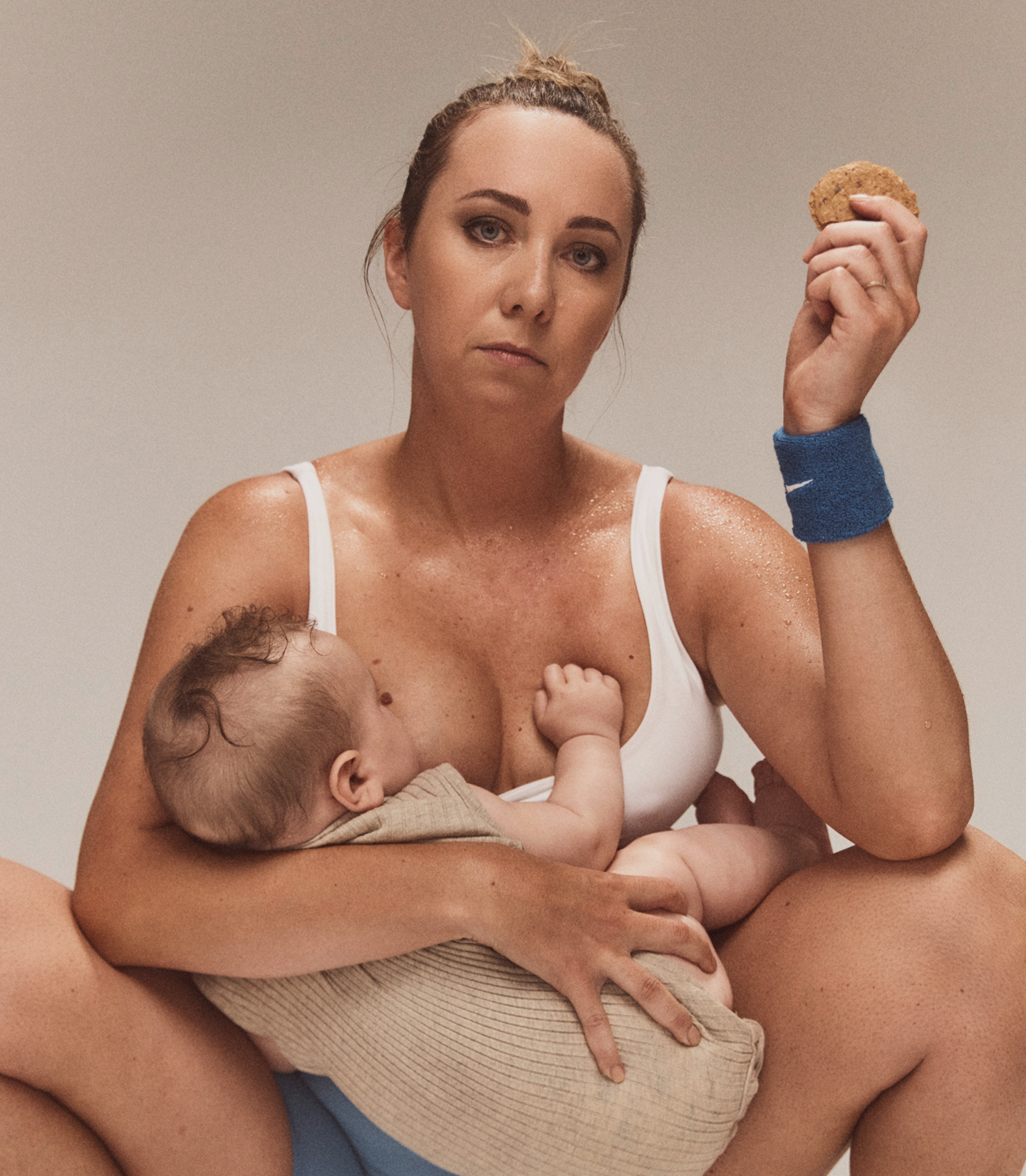
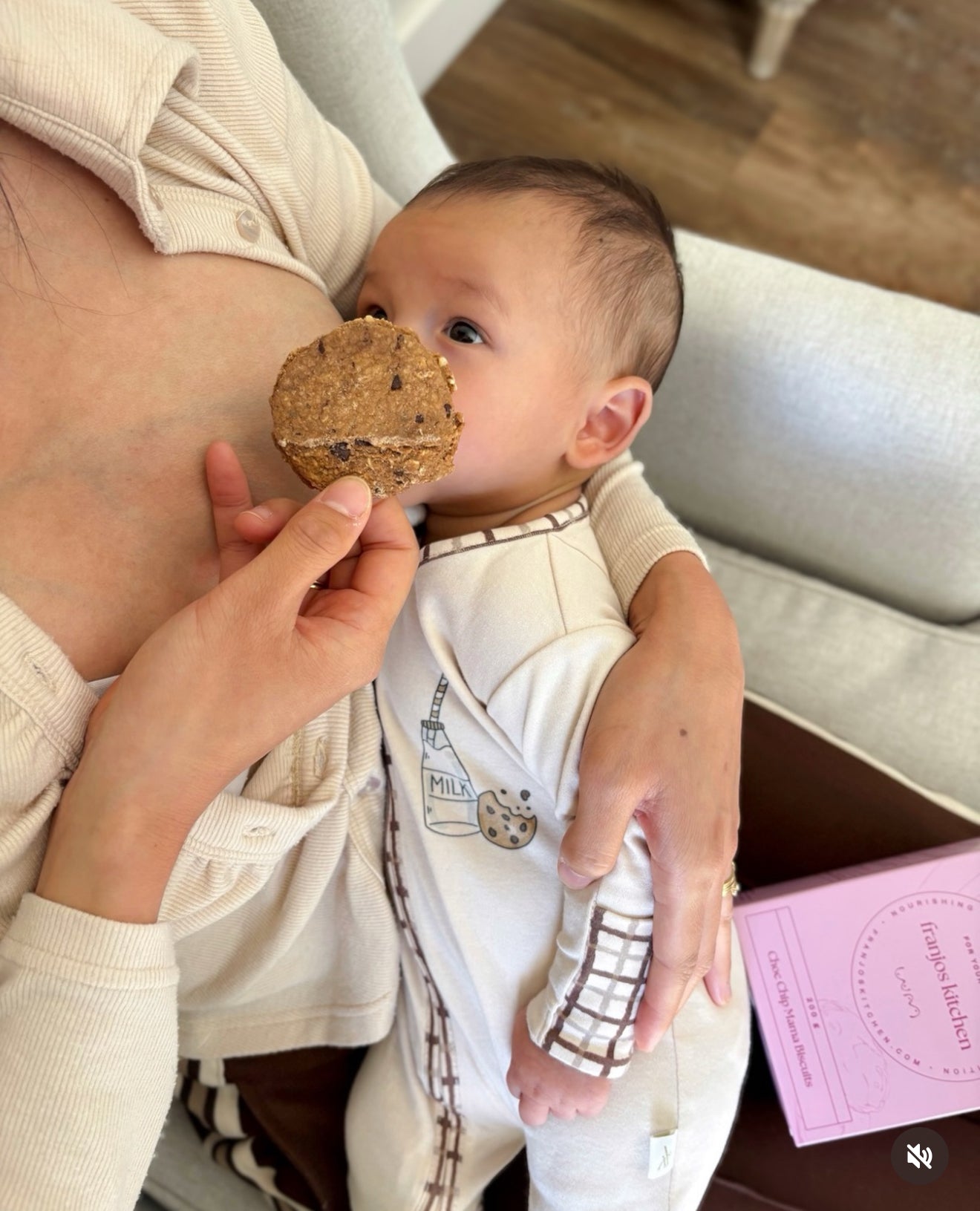
And while your body is gearing up for feeding, from around 34 weeks plenty of mums start adding our Mama Biscuits to their daily routine. Made with oats and brewer's yeast, ingredients midwives have pointed to for generations to support milk supply. Stashing a packet in your hospital bag is the kind of forward planning your 3am postpartum self will deeply appreciate.
Sources: NSW Health (nausea and vomiting in pregnancy fact sheet), NHMRC Nutrient Reference Values (fluid intake), Australian Dietary Guidelines, Public Health Nutrition journal (Australian pregnancy dietary adherence study)
Read more

A note from Kate, our Co-Owner and CMO I want to be honest about where this campaign came from. We didn't start with a brief or a trend report. We started with a feeling, and that feeling was us a...
How to increase milk supply naturally, from a registered midwife. Australian guideline backed tips on feeding, latch, expressing and signs it is working.


