


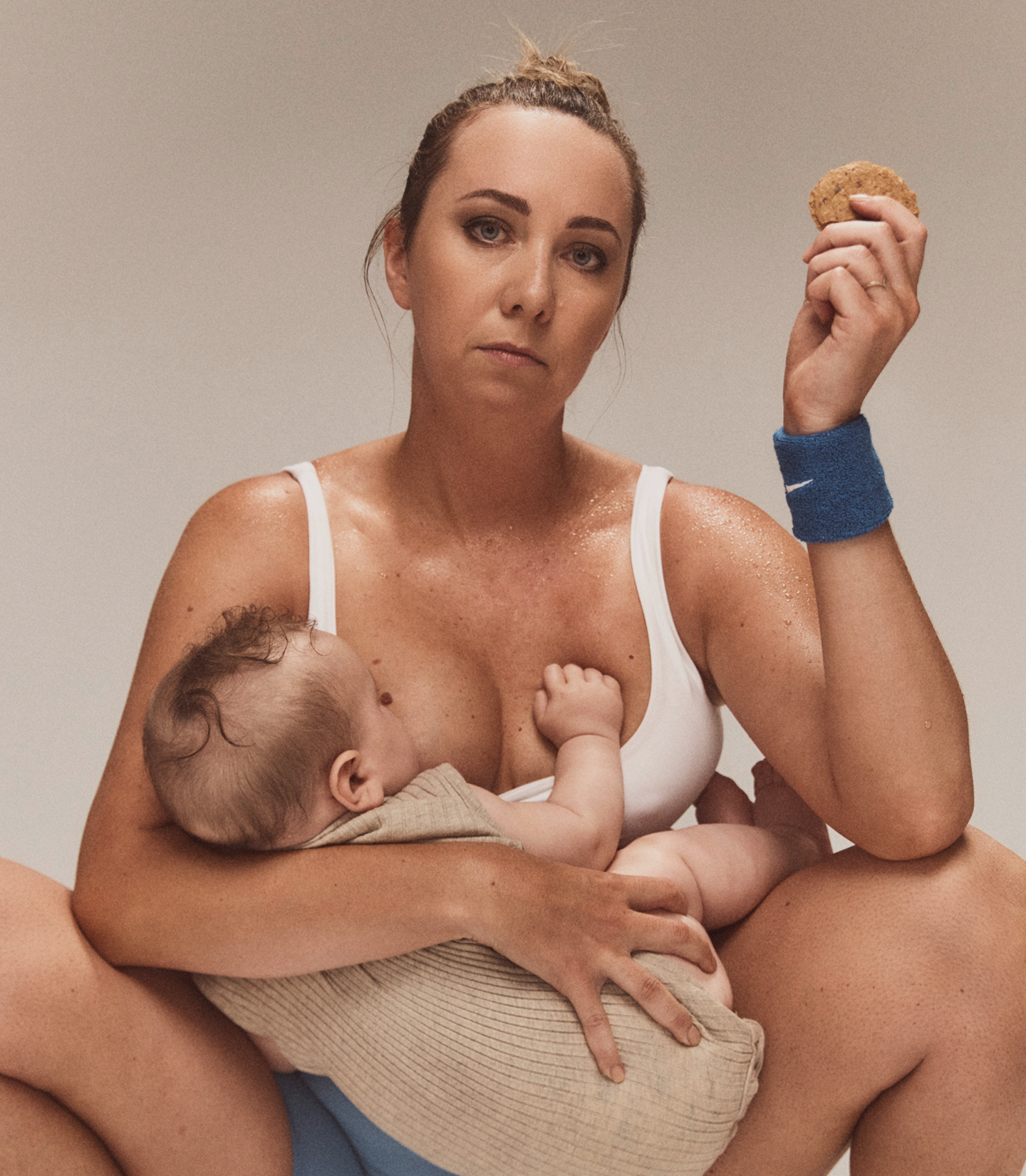





Top Tips to Increase Your Milk Supply Naturally: A midwifes tips
I'm Aliza, registered midwife and mum of two. One of the top questions I get asked as a midwife is how to support and increase milk supply.
Here is what I want you to know first. We know from the data that most women will produce an adequate breastmilk supply, and often there is a lot of worry around supply that simply doesn't need to be there.
The best indications your supply is on track? Your baby's weight gain, plenty of wet and dirty nappies, your breasts feeling empty after a feed and a baby who is generally settled after feeds. If those boxes are ticked, your body is doing exactly what it was made to do.
For the mums who do need extra support, below are my recommendations in line with the Australian Breastfeeding Association and Australia's national pregnancy and baby guidelines.
Got it all! Here's the full blog reworked in your tone, all facts verified against Australian guidance:
The golden rule: milk removed is milk made
Everything starts here. The Australian Breastfeeding Association puts it in one line: the more milk that is removed from your breasts, the more milk you will make. Your body takes its production orders directly from your baby.
Most young babies need somewhere between 8 and 14 feeds in 24 hours, and feeding to your baby's cues rather than the clock is the single most effective way to support and increase your supply.
Six things that actually work
1. Feed more often, and follow babys cues Watch your baby, not the clock. Early hunger cues like stirring, head turning and hands to the mouth are your invitation to offer a feed. Shorter, more frequent feeds often move more milk than long, spaced out ones.
2. Get bubs latch checked A baby who is attached well drains the breast efficiently, and an efficient drain is the strongest supply signal there is. Make sure your baby is actually sucking and swallowing through the feed. One or two sessions with a midwife or lactation consultant can transform this and can offer so much guidance.
3. Offer both breasts at each feed Let your baby finish the first breast before switching. They will show you they are ready when their sucking slows, they drift off or come off by themselves. After a short break, you can offer the first breast again, and even the second. Changing sides when sucking slows triggers your let-down again and encourages stronger sucking. Gentle breast compressions during the feed help keep the milk flowing too.
4. Express occasionally after feeds Removing that extra bit of milk once your baby finishes tells your body to make more milk. If your baby feeds well, your baby remains your best "pump", but a brief express after feeds is a well recognised supply booster. However, this can be a trap and oversupply can happen quickly. I'd always recommend consulting a lactation consultant here.
5. Retire the dummy for now Offer the breast for comfort sucking instead while you are building supply. Every suck at the breast counts as a production request.
6. Look after the woman making the milk. Drink water regularly, eat proper meals without skipping any, and rest between feeds where you can. Making milk is hard physiological work, and hydration, a balanced diet and rest are core supply care, not optional extras.
Franjos Kitchen lactation Biscuits are a great way to give yourself extra nutrients, calories and traditional galactagogues like oats and brewer's yeast in one delicious, one handed snack. 100% natural, with dairy free and gluten free options. Pair them with our Motherhood Hydration Powders to keep your fluids up through those thirsty feeds, whilst loading your body with natural electrolytes, prebiotics and vitamin C. Sip on our Breastfeeding Mama Tea for the rare quiet moments, made with fennel, caraway and aniseed to support supply and settle wind for you and bub.
How you will know it is working
Forget what the pump collects, because a pump is a poor measure of what your baby gets. The signs to trust are these: 6 to 8 heavy wet nappies in 24 hours, weight gain of around 150 grams or more a week across the first three months, and a baby who mostly settles between feeds.
Sources: Australian Breastfeeding Association, Pregnancy, Birth and Baby, Raising Children Network.